
Signature
Montessori Toys for Crawling Babies: First Play Essentials from KuKoo Montessori
When a baby starts to crawl, a whole new world unfolds before them. Every movement, every reach, every wobbling push forward becomes part of their learning story. It’s a stage filled with curiosity and wonder — and the right environment can help shape that journey beautifully. That’s where the concept of Montessori play comes in — creating spaces that nurture independence, exploration, and joy from the very beginning.
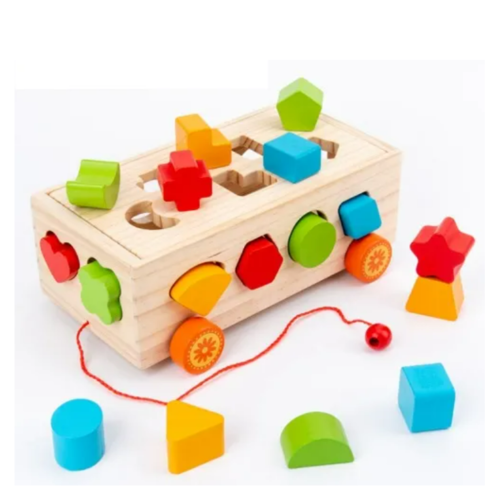
The Montessori Way for Early Movement
Montessori philosophy encourages hands-on, self-directed discovery. For crawling babies, this means giving them freedom to move, explore, and interact with real, meaningful objects. Instead of flashy lights or overwhelming sounds, Montessori toys focus on simplicity and purpose — helping babies understand cause and effect, develop coordination, and refine their senses through play.
Parents who embrace this approach often notice how naturally their little ones start to engage with their surroundings. Whether it’s reaching for a wooden ring or pulling up on a sturdy play bar, every action has intention. These first movements aren’t just physical milestones — they’re the foundation for problem-solving, patience, and self-confidence.
Why Montessori Toys Are Ideal for Crawling Babies
Crawling is a phase where babies begin to understand spatial relationships and their own physical abilities. Montessori toys designed for this stage are often made of wood, cotton, and other natural materials — textures that invite touch and exploration.
From low shelves that encourage independence to toys that roll or spin gently across the floor, these objects inspire focused play and coordination. A set of Montessori toys for crawling babies can include simple items like a rolling drum, wooden stacking rings, or a small push cart to encourage balance.
What makes these toys special isn’t just their look or feel — it’s how they invite calm, intentional engagement. Rather than overstimulating the senses, they allow a baby to notice small details: the sound of wood rolling, the texture of a woven ball, or the rhythm of their own hands clapping together.
For more insights into how KuKoo Montessori helps parents design such nurturing spaces, you can explore a detailed reflection on inspiring play here:
👉 Learn how thoughtful environments can spark early curiosity and growth.
Encouraging Independence through Play
Montessori play isn’t about teaching a baby “what to do.” It’s about observing, following their interests, and allowing them to lead. Crawling babies, especially, are natural explorers. They’re eager to discover how things move, sound, and fit together.
This is why creating a safe, open space is so essential. Low furniture, soft rugs, and reachable toys make a big difference. Even something as simple as a basket filled with soft wooden blocks can turn into a world of discovery.
As many families have shared through parenting journeys, the joy of Montessori play lies in watching a baby teach themselves. The beauty of these moments is captured in many shared reflections and family stories online, like this thoughtful piece on nurturing young minds through early exploration.
Building Motor Skills and Focus
Montessori playtime naturally promotes fine and gross motor skill development. Crawling babies love to chase rolling objects, grasp different textures, and test how things move in space. Toys such as spinning drums, interlocking discs, and pull-along toys are excellent examples.
Each activity builds coordination between mind and body — something that’s core to Montessori’s belief in holistic growth. By observing your baby’s play, you’ll see how focus begins to deepen. They might spend minutes watching how a ball rolls away, crawl after it, and then try again. That concentration is learning in motion.
Many parents who follow KuKoo Montessori’s approach share their experiences of these meaningful learning moments on creative platforms — such as in product discussions featured on Kukoo Montessori play ideas.
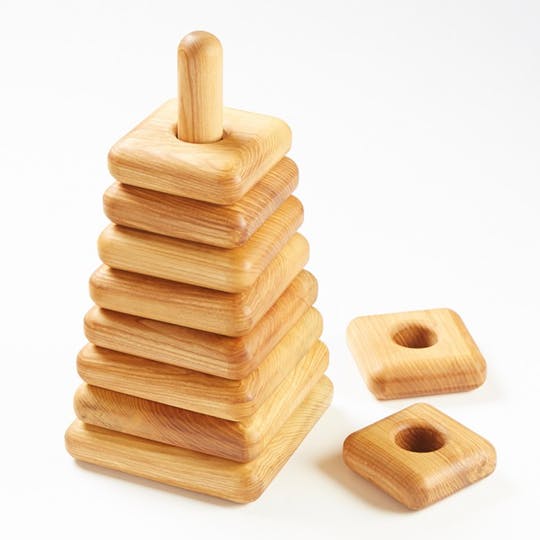
Creating a Montessori-Inspired Play Area at Home
Setting up a Montessori space for a crawling baby doesn’t have to be complicated. Think of it as creating an invitation to explore. You can start with:
A soft mat or rug that allows freedom to move.
Low shelves with 2–3 simple toys displayed clearly.
A baby mirror at floor level to encourage self-awareness.
Open baskets instead of closed boxes for easy access.
When babies see that their toys are accessible, they begin to make choices — a small but powerful step toward independence.
You can find community inspiration and visual examples of Montessori-inspired baby spaces through creative parenting circles, such as this gentle space celebrating early learning through design.
The Emotional Connection of Play
Beyond skill-building, Montessori play nurtures emotional growth. Crawling babies are learning to trust their own instincts. Every time they pull themselves up, reach for a toy, or make something move, they experience small successes that build confidence.
Parents, in turn, learn to slow down — to observe rather than direct. This shared rhythm of discovery builds connection and trust. Play becomes a form of communication, long before words begin.
For parents seeking more ideas on how to combine learning and connection at home, you can find inspiring stories that reflect this balance on a thoughtful parenting collection about Montessori learning.
A Final Thought: Play as the First Step Toward Independence
Every stage of childhood holds its own kind of wonder, but crawling marks the first taste of independence. It’s a moment worth celebrating — not with more toys, but with meaningful ones. Montessori toys invite presence, focus, and joy into this precious phase of discovery.
As you watch your little one explore the world — one crawl at a time — remember that each movement is an act of learning. And with a thoughtful approach inspired by KuKoo Montessori, play can truly become the foundation for a lifetime of curiosity, confidence, and creativity.